Contents
- Foreward
- Our equality objectives 2025-29
- How we are working to meet those objectives
- Objective 1: Engage and communicate in appropriate and accessible ways
- Objective 2: Ensure we deliver inclusive and responsive services
- Objective 3: Foster good relations with and within the community
- Objective 4: Break the cycle of inequality and improve life chances
- Objective 5: Develop and support a diverse workforce
- Case Study: Domestic Abuse Accreditation
- Case Study: Award winners in Independent Living
- Case Study: Breaking the cycle of inequality through skills for all
- 2025 in pictures
- Workforce statistics
Foreword
This report outlines some of the key activities undertaken by Bassetlaw District Council in 2025 in support of Equality, Diversity and Inclusion. The report has been adapted to meet the government accessibility requirements which ensures as many people as possible can access our information. The report will be published on our equalities page on the Council’s Website, and hard copies can be requested at our Customer Services offices.
As an organisation, we have a duty to comply with the Equality Act 2010 and the Public Sector Equality Duty, including ensuring that consideration is given to the nine protected characteristics as defined in the Act:- age, disability, gender reassignment, marriage and civil partnership, pregnancy and maternity, race, religion or belief, sex, and sexual orientation.
In exercising our functions, we must have due regard to the need to:
- Eliminate unlawful discrimination, harassment and victimisation and other conduct prohibited by the Act.
- Advance equality of opportunity between people who share a protected characteristic and those who do not.
- Foster good relations between people who share a protected characteristic and those who do not.
This report demonstrates how we are working to deliver our equality objectives and gave due regard to the Equality Duty over the last year.
David Armiger
Chief Executive
Cllr Jonathan Slater
Deputy Leader and Cabinet Member for People and Transformation
Our Equality Objectives 2025-29
The Council’s Equality Objectives are aligned to the Council Plan and respond to the latest data and information on Bassetlaw and its communities. The objectives for 2025-29 are:
Objective 1: Engage and communicate in appropriate and accessible ways
We know that good quality information leads to well-informed decisions, which in turn impact on the suitability and quality of services.
Objective 2: Ensure we deliver inclusive and responsive services
Understand and remove the barriers people face when accessing services. The Council acknowledges the challenges of rural isolation, access to services and limited public transport.
Objective 3: Foster good relations with and within the community
Our diversity is one of our greatest strengths. As a council we want to lead the district in celebrating and promoting our diversity and the benefits and opportunities it brings. We will continue to promote inclusion, fairness, and accessibility, whilst raising the profile of Bassetlaw as a great place to live, study and visit.
Objective 4: Break the cycle of inequality and improve life chances
We know that some groups experience poorer life chances than others, and that poverty can be a significant factor in determining life chances and wellbeing. At a local and national level there are also areas of persistent inequality which remain a considerable challenge. We will continue to focus on those in greatest need to ensure that people can access services and support that works for them.
Objective 5: Develop and support a diverse workforce
We will continue to promote inclusion, fairness, and accessibility in our workplace. A representative workforce will help us deliver services that are accessible, appropriate and that help reduce inequalities.
How we are working to meet those objectives
Objective 1: Engage and communicate in appropriate and accessible ways
Over 64% of residents feel well informed about services provided by Bassetlaw District Council. This compares favourably with other councils, demonstrating ongoing commitment to improve communications and awareness of services.
Digital accessibility continues to be a priority of the Council’s Communications Team, who now have dedicated officer support to deliver a number of actions associated with improving accessibility on our website and across our digital communications platforms
The Council continues to maintain a very high accessibility score for its website which stands at 99% at Q3 2025/26. Pro-active monitoring and auditing of the website is now built into to our internal processes.
We have secured over 29,000 subscribers across our three Council e-newsletters aimed at tenants, residents, and businesses. We also continue to improve internal communications by utilising Microsoft SharePoint. We continue to regularly engage with staff through quarterly pulse surveys.
We understand that many residents prefer to receive written communication, therefore, we have continued to provide residents and tenants with targeted information via printed newsletters and information leaflets.
Meaningful engagement with our tenants and residents helps drive greater involvement. This empowers them to have a stronger voice on how we deliver our services and consequently how we can improve on what we already do. We offer a range of options in how tenants and residents can engage with us and what level of involvement they choose to have.
Know your Place spatial engagement activities have been hosted in 3 communities (Markham Clinton, Blyth, and Walkeringham), enabling residents to shape how their local area is understood and documented. Events are hosted in partnership with town and parish councils, ensuring that arrangements are attuned to local preferences. Events this year were also attended by multiple teams from the Council, including Communications, Conservation, and Housing, alongside Neighbourhood Planning, increasing the opportunities for interaction.
Ongoing support of neighbourhood planning continues to be led by local needs, such as attending meetings and hosting events in local communities, and outside of normal office hours, including evenings and weekends as appropriate.
The Bassetlaw Youth Council engaged young people aged 11–19 from across the district, giving them accessible opportunities to influence local decisions and communicate the issues that mattered most to them. Through priority‑setting sessions, school assemblies, and campaigns such as Your Vote Matters, the Youth Council helped young people understand voting, democracy, and their rights, leading to increased voter registrations and improved confidence in civic participation. This approach demonstrated the Council’s commitment to engaging and communicating in ways that are relevant and accessible to young people.
Objective 2: Ensure we deliver inclusive and responsive services
The Revenues and Benefits Department offers personalised support and flexible service delivery to the customer. This means offering information in a range of formats, providing multiple channels for contact, and tailoring our approach to meet individual needs—particularly for those who may be vulnerable or hard to reach. The team work collaboratively with partner agencies to provide consistent, holistic support.
A dedicated helpline and online service providing additional support for Bassetlaw District Council tenants has been extended for a further two years.
The Tenant Support and Wellbeing Service provides fully confidential support, guidance, professional advice and in the moment counselling 24 hours a day 365 days a year and is free for council tenants to access. The service, provided by Life and Progress, was first introduced in 2022 and has been extended until October 2027.
The council introduced a new online repairs reporting tool that gives customers greater flexibility and control over how they access our services. It allows customers to clearly describe the issue, choose a convenient appointment time slot, track progress, and view completed work. To make our service more accessible, we offer morning or afternoon appointments with times between 9.30am and 2.30pm to avoid the school run, as well as evening and Saturday options for those who need out‑of‑hours support. This approach ensures repairs can be arranged around different lifestyles and commitments, helping us deliver a more inclusive and responsive service for everyone.
The Council’s Leisure & Wellbeing service delivered a wide range of accessible activities in 2025, including cardiac rehabilitation programmes, Good Boost water based sessions, and Xtreme Wheels outreach events at The Canch. Four new marked walking routes were created across key parks to encourage active lifestyles, and sun cream stations were installed at all three splash parks to promote safe outdoor activity. We also provided online wellbeing support, including breath awareness and meditation sessions for the MS Society Retford.
The Council upgraded the outdoor gym at The Canch with eight new, more accessible pieces of equipment, including IFI‑compliant features, improved surfacing and a dedicated workout area. Designed by the Great Outdoor Gym Company, the £50k installation replaces ageing 2010 equipment and offers residents more inclusive and social opportunities to exercise. All new installations now require 20% of equipment to be fully inclusive, and over the next year the Council will review all play facilities and their access arrangements.
Bassetlaw Museum’s garden has been improved making it more accessible and ready to host a diverse array of outdoor activities. A new sensory garden has been developed featuring interactive play elements and a water feature, while gravel paths are being replaced with Indian sandstone paving.
Objective 3: Foster good relations with and within the community
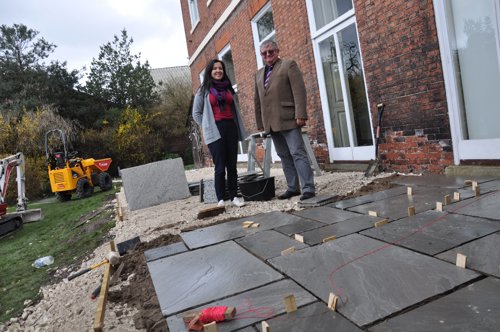
Staff from the Revenues and Benefits Department assisted residents who were affected by the Worksop house explosion in 2025, actively working alongside partners and ensuring that there was a supportive presence. The department also engages collaboratively with local agencies at welfare events, bringing together a wide range of knowledge and expertise. This helps promote resilience and ensures that residents feel supported and connected.
Bassetlaw people who have gone out of their way to make a difference for other tenants and residents, and in their neighbourhoods, have been recognised as Community Champions. Community Champions were all nominated by their peers for giving up their time to help other tenants by striving to improve our housing services or for making a difference in their community. The accolades were presented to our champions as part of our Annual Tenant Conference and Meet the Team event, which took place in October.
A series of awards have been given to Bassetlaw residents to recognise the positive contributions they have made within the district. The Achievers’ Awards held in March 2025 were presented by the Chair of the Council to recognise a variety of accomplishments, ranging from fundraising efforts, helping others in the community, and reaching personal goals or triumphs within sport.
Bassetlaw District Council works with the Royal British Legion, local cadet groups, schools, churches, and community volunteers to deliver well organised Remembrance events in Worksop and Retford. By helping to coordinate parades, services, music, and wreath laying with these partners, the Council helps bring residents of all ages together to honour the Armed Forces and reflect as a community. This collaborative approach strengthens local relationships and ensures that acts of remembrance are inclusive, meaningful, and supported across the district.
Throughout 2025 council officers engaged directly with residents at community events including Move More in May, Panto in the Park and the New Year Networking Event. We actively supported local groups such as the Kilton Feel Good Memory Group through fundraising and wellbeing input. The SAND Sports Club partnership at Worksop College continued to champion disability inclusion, helping to strengthen community cohesion across Bassetlaw.
By working closely with local schools, community organisations, councillors, and national youth bodies, Bassetlaw Youth Council fostered strong relationships within the community. Their activities included attending civic events, contributing to national programmes such as the UK Youth Parliament, and taking part in regional committees, all of which strengthened collaboration and ensured that the voices of young people were represented locally and beyond.
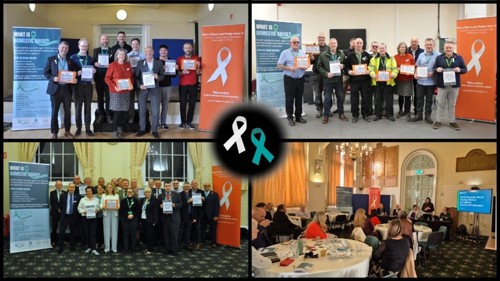
In preparation for White Ribbon Day 2025 and the 16 days of action, the Council invited male staff to renew their White Ribbon Promise and attend photo sessions to show support for ending violence against women and girls. The campaign’s theme, We Speak Up, encouraged men and boys to use their voices to promote safety and respect, highlighting that everyday sexism can lead to harm and must be challenged to set a positive example.
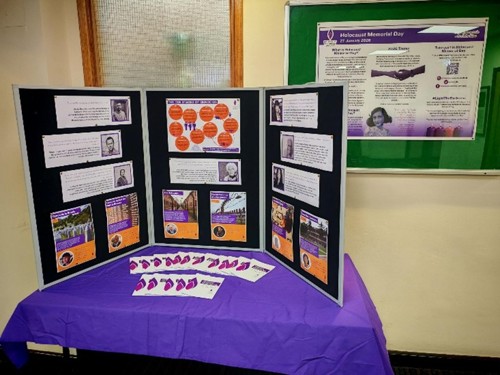
The Council continues to mark Holocaust Memorial Day each year on 27 January which marks the anniversary of the liberation of Auschwitz-Birkenau, the largest Nazi death camp. We remember the six million Jewish men, women and children who were murdered, and the millions more murdered under Nazi persecution, as well as learning about and commemorating persecution in Cambodia, Rwanda, Bosnia and Darfur.
The council promoted a series of Pride events in Worksop, Retford, and Harworth and Bircotes. In 2025, Bassetlaw District Council attended Worksop Pride event through #BassetlawConversations offering information on Council services, listening to our community’s voices, and reinforcing our commitment to being an inclusive local authority.
Objective 4: Break the cycle of inequality and improve life chances
The Council’s refreshed Vision 2040 helps break the cycle of inequality by expanding access to high‑quality jobs and training. A central element is the arrival of the UK’s first prototype fusion energy plant, which will create thousands of high‑skilled jobs and apprenticeships, offering long‑term employment security and progression routes for local residents. This directly supports people who may have previously faced limited opportunities.
In July 2025, Bassetlaw District Council became the second Council in Nottinghamshire to attain Domestic Abuse Housing Alliance (DAHA) Accreditation, a benchmark for how housing providers across the UK should respond to domestic abuse.
The DAHA assessment panel awarded Bassetlaw the Gold Standard accreditation after considering evidence submitted by the Council, carrying out case audits and conducting interviews with staff. This now ensures that tenants and residents in Bassetlaw who are experiencing domestic abuse have a safe place to discuss concerns, and access to people who can provide appropriate assistance. Further information on DAHA accreditation is shown in the case study towards the end of this report.
The Revenues and Benefits Department support residents through targeted financial relief that helps maximise income and prevent debt spirals. By setting sustainable payment plans, recognising vulnerability, and pausing recovery where appropriate, the department promotes financial stability and prevent households from falling into deeper debt.
The Council’s Leisure’s Health and Wellbeing service contributes to reducing health inequalities by regularly participating in district wide forums including Building Blocks for Health, Tackling Loneliness Collaboration, the Health Inequalities Forum, Bassetlaw Food Insecurity Network, and Discover Worksop. These networks ensure our services align with local needs and reach underserved groups. Our wellbeing programmes, inclusive physical activity sessions and proactive community engagement provide residents with opportunities to build healthier, more connected lives.
BPL continues to deliver inclusive and responsive health programmes through its clinically supervised cardiac rehabilitation service, which supports residents with heart conditions to safely rebuild strength and confidence, and its Good Boost activities, which provide personalised, referral‑based physical activity designed to improve health and wellbeing for people with a range of needs.
In 2025, Bassetlaw District Council commissioned Amion Consulting to undertake a comprehensive Skills Audit, producing the most detailed assessment to date of the challenges and opportunities within the local labour market. The audit highlights barriers that prevent residents—particularly those in disadvantaged communities—from progressing into higher skilled, better paid employment. It also identifies emerging growth sectors and sets out clear recommendations to strengthen alignment between education provision, training pathways and employer needs.
The Bridge Skills Hub continued to play a vital role in widening access to education and training for residents furthest from the labour market. Throughout 2025 the Hub expanded its curriculum to include digital learning programmes – such as the HN Flex route – and short community and business focused courses covering AI, Canva, business planning and digital marketing.
Bassetlaw Youth Council contributed to breaking cycles of inequality by offering young people meaningful opportunities for leadership, education, and skills development. Through projects focused on volunteering, STEM outreach, and awareness‑raising on social issues, young people were supported to build confidence, gain experience, and influence positive change.
Objective 5: Develop and support a diverse workforce
We continue to develop and support a diverse workforce by embedding inclusive recruitment with clear adjustment routes, fair processes and standardised accessible tools. Managers received targeted training on the Equality Act, reasonable adjustments, stress prevention and fair assessment. We also relaunched Mental Health First Aid with improved governance, clearer boundaries, targeted coverage and stronger links to stress prevention and supportive workplace cultures.
A summary of actions we are taking is shown below:
- Fair and accessible recruitment
- Every campaign follows an inclusive process with clear reasonable adjustment routes; equality monitoring is separated from decision-making; and panels are trained to avoid bias.
- Adjustments done right, first time. Managers and HR apply a single, transparent adjustments policy; typical workplace and recruitment adjustments are offered quickly and proportionately (with Access to Work signposting).
- Reasonable adjustments in recruitment, how to invite, agree and deliver adjustments from advert to onboarding (e.g. alternative formats, extra time, accessible locations)
- Standard artefacts: inclusive advert checklist; accessible JD/PS templates; interview question banks; panel diversity prompt; scribe/reader process.
- Management training
- Bitesize learning and toolkits
- Equality Act 2010 - direct/indirect discrimination, harassment, victimisation, and duty to make reasonable adjustments.
- HSE Management Standards (stress), how managers prevent work related stress and support mental health in their teams; provided through online lining
- Structured, criteria-based assessment
- Relaunched Mental Health First Aid across the Council
- Whole system approach: Mental Health First Aid relaunch with governance, supervision, debrief, and clear boundaries, aligned to emerging Mental Health First Aid England workplace standards and broader sector calls to integrate mental health into first aid.
- Right coverage: target ratio by service/shift; visible signposting (intranet, email signatures, workplace posters); referral pathways and safeguarding protocols.
- Prevention & culture: link Mental Health First Aid activity with Health and Safety Executive stress risk assessment cycles and manager responsibilities. [hse.gov.uk]
Case Study: Domestic Abuse Accreditation
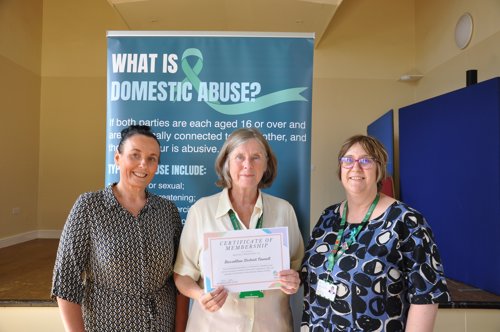
In 2025 Bassetlaw District Council became the second Council in Nottinghamshire to achieve Domestic Abuse Housing Alliance (DAHA) accreditation, a status awarded to housing providers that deliver effective support to domestic abuse survivors.
DAHA accreditation is the UK benchmark for how housing providers should respond to domestic abuse in the UK. This now ensures that tenants and residents in Bassetlaw who are experiencing domestic abuse have a safe place to discuss concerns, and access to people who can provide appropriate assistance. In addition, the DAHA assessment panel awarded Bassetlaw the Gold Standard accreditation after considering evidence submitted by the Council, carrying out case audits and conducting interviews with staff.
The DAHA accreditation process included a review of the Council’s policies, procedures, and practices across all departments to ensure that they are survivor-led. Training was also delivered organisation-wide to raise awareness of the signs of domestic abuse and how to respond appropriately.
As part of achieving the accreditation, the Council worked closely with Nottinghamshire Women’s Aid to prepare for evaluation against DAHA’s criteria.
Case Study: Award winners in Independent Living
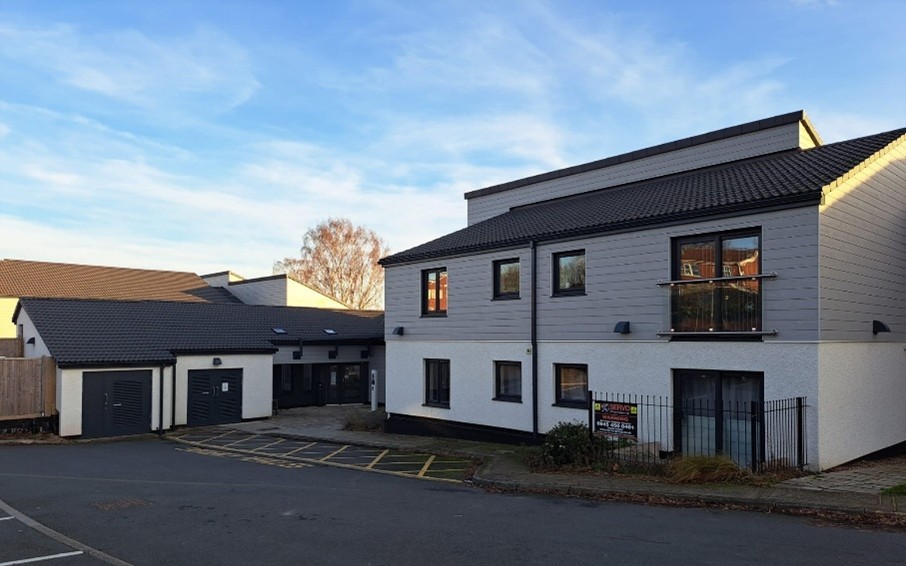
Independent living schemes play an important role in promoting equality and diversity by ensuring that older and disabled residents can live safely, confidently, and with the same opportunities for autonomy as anyone else. By providing accessible homes, flexible support, and inclusive communal spaces, these schemes help remove barriers that can otherwise limit people’s independence due to age, disability, or health conditions.
In 2025 the Council received national recognition for modernising its Independent Living Schemes, winning an AICO Community Award in the Neighbourhood Transformation category. Working with Fortem and Make Consultants, the Council improved Larwood House in Worksop and Westmorland House in Harworth and Bircotes.
At Larwood House, bright, modern apartments and upgraded communal spaces were created, alongside accessible gardens and a mobility scooter store. Energy‑efficient heating and insulation were installed to reduce running costs, lower carbon emissions, and help tackle health and wellbeing inequalities for older residents.
Since the award, residents have moved into Larwood House, major works at Westmorland House have been completed, and further schemes are planned at Conway Gardens in Retford and Swallow Court in Misterton.
Case study: Breaking the cycle of inequality through skills for all

In 2025, Science, Technology, Engineering, and Mathematics (STEM) engagement expanded significantly, widening participation among young people who are underrepresented in science and engineering. The Festival of Science and Curiosity delivered 12 events and 18 hands-on activities across the district, while the new Bassetlaw Summer of Fusion attracted families to 14 events exploring fusion energy, technology and engineering.
Through the Royal Academy of Engineering–funded STEP Forward Programme, the Council and partners began delivering fusion focused STEM outreach in 21 primary schools. These programmes help challenge long standing stereotypes about STEM and ensure children from all backgrounds have equal access to high quality learning experiences that support future career progression.
Investment in STEM outreach, employer partnerships, and the continued development of The Bridge Skills Hub supports the Council’s long-term ambition to build a diverse, representative and high skilled local workforce. By inspiring both young people and adult learners to pursue careers in sectors such as engineering, digital technology, health and public services, these interventions improve equality of opportunity and help break the cycle of inequality facing some communities.
Highlights of engagement activities include a series of major UKAEA‑linked events such as the Fusion Energy Café, business networking sessions, and the STEP Community Day, alongside high‑profile skills initiatives including two Skills Summits, the launch of the Skills Audit, and the Fusion Skills Collaborative. The year also featured multiple jobs fairs across Worksop, Retford, and Harworth & Bircotes, plus specialist workshops delivered by the Institute of Engineering & Technology.
2025 in pictures
Looking forward
Bassetlaw District Council’s Equality, Diversity and Inclusion approach is strengthening in 2026 as collaboration across the district continues to grow. This has been demonstrated through events such as the Health and Wellbeing New Year Networking session, engaging with the Dialogue Society, with a renewed focus on pride in place and community cohesion supported by initiatives like the Worksop Together Board.
The new Health and Wellbeing Hub and the redevelopment of the Priory Centre in Worksop will help reduce health inequalities across the district. At the same time, the new EDI Working Group and the Council’s wider people and transformation programme are strengthening understanding, building stronger relationships and supporting a more inclusive direction for the year ahead.
EDI Working Group
The Equality, Diversity and Inclusion (EDI) Working Group has been established to shape and strengthen the Council’s strategic approach to EDI, ensuring our policies, services and culture reflect the needs and experiences of our workforce and communities. Bringing together colleagues from across the organisation, the group will identify opportunities for improvement, and co‑develop practical actions that foster a more inclusive, respectful and equitable environment.
Building Community Trust
Cllr Jonathan Slater, Deputy Leader and Cabinet Member for People & Transformation addressed the Dialogue Society’s Community Christmas Dinner, held at Worksop Town Hall. Speaking on the theme of Building Community Trust, Cllr Slater encouraged attendees to commit to building trust, not just in words but in deeds. His message spoke to the need to promote truth in debate, challenge misinformation and support every corner of our community.
Health and Wellbeing Networking Event
Bassetlaw District Council’s annual Health and Wellbeing: New Year Networking event returned in 2026. Hosted by Muslim Charity, the event focused on showcasing work, collaboration, and information sharing.
Workforce statistics
In line with the guidance, we publish our workforce statistics each year. For context, we also show a comparison to the latest census data for the District where data is available.
| Employee Gender Breakdown | Male | Female |
|---|---|---|
| All employees at 31.03.25 | 49.1% | 51.89% |
| All employees at 15.03.24 | 49.91% | 50.09% |
| All employees at 31.03.23 | 51.33% | 48.67% |
Census 2021 data shows 50.4% of Bassetlaw residents are female and 49.6% are male.
Employees by gender and hours at 31 March each year
On 31 March 2025, the Council employed a total of 490 full time staff and 123 part time staff. The following tables show the breakdown of male and female staff, full time and part time.
Full time
| Year | Male | Female | Total |
|---|---|---|---|
| 2025 | 267 | 223 | 490 |
| 2024 | 243 | 117 | 420 |
| 2023 | 241 | 163 | 404 |
Part time
| Year | Male | Female | Total |
|---|---|---|---|
| 2025 | 38 | 89 | 123 |
| 2024 | 27 | 95 | 122 |
| 2023 | 30 | 94 | 124 |
Number of staff joining and leaving the Council
| Starters / Leavers | 2024/25 | 2023/24 | 2022/23 |
|---|---|---|---|
| Starters | 128 | 91 | 69 |
| Leavers | 55 | 45 | 59 |
Age Profile of Employees at 31 March each year
| Year | 16-17 | 18-24 | 25-34 | 35-44 | 45-54 | 55-64 | 65+ |
|---|---|---|---|---|---|---|---|
| 2025 | 0.00% | 3.74% | 18.05% | 16.59% | 26.18% | 30.41% | 5.04% |
| 2024 | 0.00% | 2.95% | 16.42% | 15.13% | 29.70% | 31.00% | 4.80% |
| 2023 | 0.00% | 3.60% | 13.83% | 14.39% | 29.55% | 33.71% | 4.92% |
Between the last two censuses, the average (median) age of Bassetlaw employees increased by two years, from 43 to 45 years of age.
This area had a higher average (median) age than the East Midlands in 2021 (41 years) and a higher average (median) age than England (40 years).
Employees declaring themselves as disabled
The number of employees declaring themselves as disabled remains relatively static. Figures are calculated as a percentage of those employees who have declared whether they are disabled. According to Census 2021, 8.7% of Bassetlaw residents reported that their day‑to‑day activities were limited a lot due to a long‑term health condition or disability.
| As at: | Total workforce | Disabled males (% of workforce) | Disabled females (% of workforce) | Disabled employees (% of workforce) |
|---|---|---|---|---|
| 31.3.25 | 615 | 2.11% | 3.08% | 5.2% |
| 31.3.24 | 546 | 2.01% | 3.11% | 5.12% |
| 31.3.23 | 532 | 2.25% | 3.19% | 5.45% |
Sexual Orientation
In 2025, 63.41% of staff identified as heterosexual; 2.76% identified either as bisexual, gay, or lesbian. A significant 33.82% chose not to specify their sexual orientation. Small numbers are not shown to protect confidentiality.
| Sexual Orientation | 2025 | 2024 | 2023 |
|---|---|---|---|
| Bisexual | >2% | >2% | >2% |
| Gay | >2% | >2% | >2% |
| Heterosexual | 63.41% | 58.24% | 52.63% |
| Lesbian | >2% | >2% | >2% |
| Not Specified | 33.82% | 39.56% | 45.67% |
Ethnicity
At 31 March 2025, 6.31% of staff declared they were in an ethnic minority group. A breakdown of ethnicity is shown in the table below.
| Ethnicity | 2025 | % | 2024 | % | 2023 | % |
|---|---|---|---|---|---|---|
| African | 6 | 0.97 | <5 | - | 0 | 0 |
| Any other Asian background | 5 | .081 | <5 | - | <5 | - |
| Any other black/African Caribbean | <5 | - | <5 | - | 0 | 0 |
| Any other White background | 13 | 2.11 | 14 | 2.56 | 8 | 1.5 |
| Bangladeshi | <5 | - | <5 | - | 0 | 0 |
| Black Caribbean | <5 | - | <5 | - | 0 | 0 |
| Chinese | <5 | - | <5 | - | 0 | 0 |
| Indian | 6 | 0.97 | <5 | - | 0 | 0 |
| Pakistani | <5 | - | <5 | - | 0 | 0 |
| White and Asian | <5 | - | <5 | - | 0 | 0 |
| White British | 403 | 65.52 | 333 | 60.98 | 311 | 58.45 |
| White Irish | <5 | - | 0 | 0 | 0 | 0 |
| White and Black Caribbean | 0 | 0 | <5 | - | <5 | - |
| Not specified | 172 | 27.96 | 182 | 33.33 | 205 | 38.53 |
| Staff declared they were not in any minority group | - | 6.31 | - | 5.64 | - | 2.98 |
Small numbers are not shown to protect confidentiality.
Census 2021 data shows ethnicity in Bassetlaw as being 96.4% white, with 3.5% being in an ethnic minority group.
Staff are considered to be from an ethnic minority group if they define themselves as being from census classification b, c, d or e, that is: b. (i) White and Black Caribbean(ii) White and Black African(iii) White and Asian(iv) Any other mixed background. c. Asian or Asian British(i) Indian(ii) Pakistani(iii) Bangladeshi(iv) Any other Asian background d. Black or Black British(i) Caribbean(ii) African(iii) Any other Black background e. Chinese or Other ethnic group(i) Chinese(ii) Other.
Last Updated on Thursday, April 23, 2026